






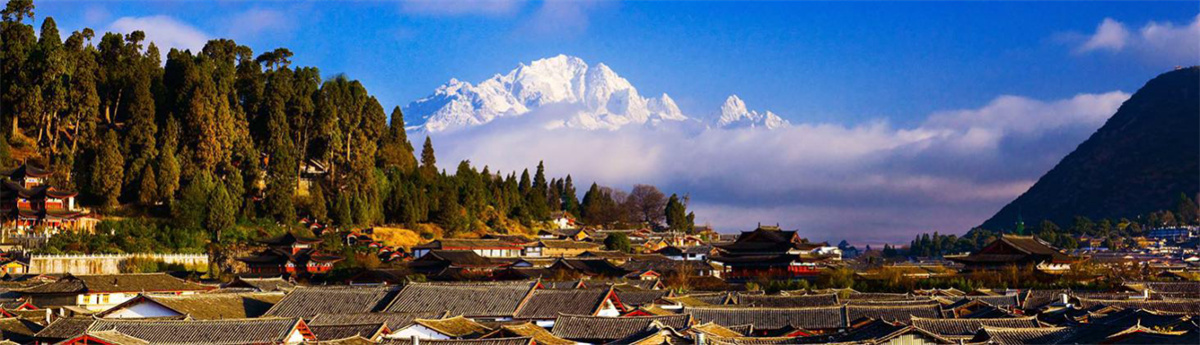
Day 1: Kunming
Welcome to Kunming, the Spring City of China! Upon arrival at the Kunming airport/train station, the local tour guide and driver will meet you in the arrival hall and escort you to your hotel.You'll begin your journey to the diverse and captivating province of Yunnan from the capital city, Kunming.
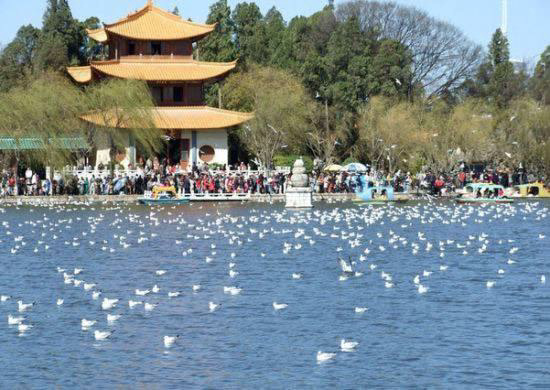
After a short rest, stroll in the most picturesque park in Kunming urban area - the Green Lake Park,a charming area of tea houses and small boutiques selling handicrafts and beautiful local paintings.. Here you can share the happiness of local people’s doing tai chi, performing local opera, and other vibrant activities. If you visit the park in November or December, you will see the grandeur of huge flocks of red-beaked seagulls that migrate there from Siberia.
Kunming's theatrical options include the highly recommended Dynamic Yunnan Show at Kunming's Art Theatre, where beautifully costumed dancers and musicians perform choreography with drums, inspired from the ethnic village dances and sing exotic songs that will bring tears to your eyes.

Day 2 Stone Forest -Yuantong Temple
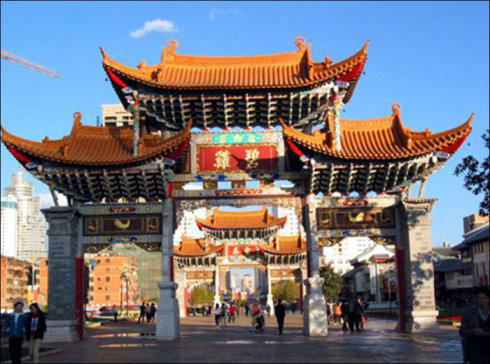
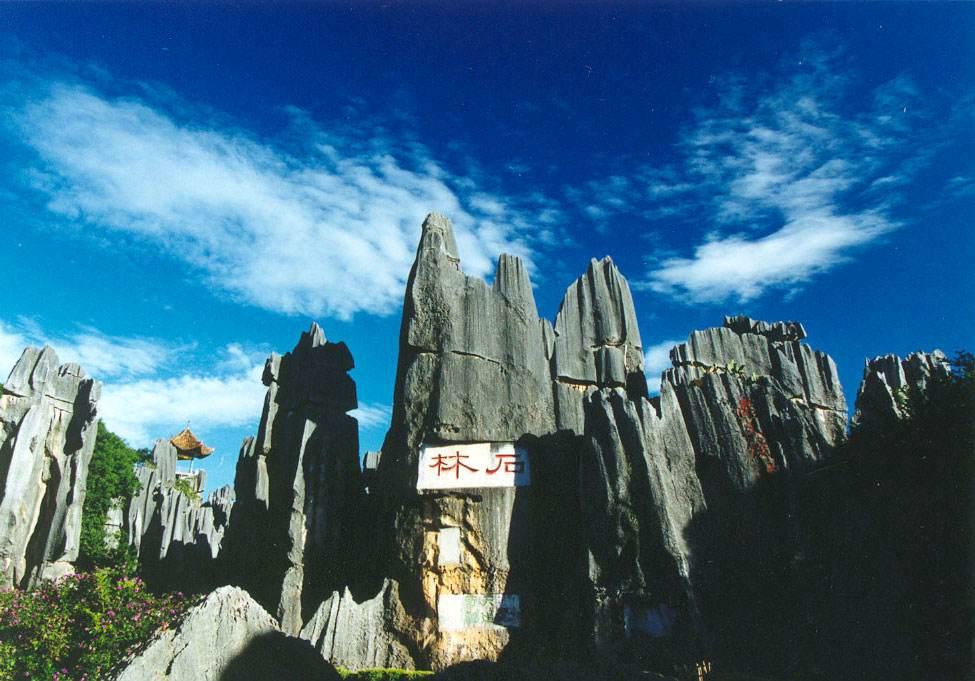
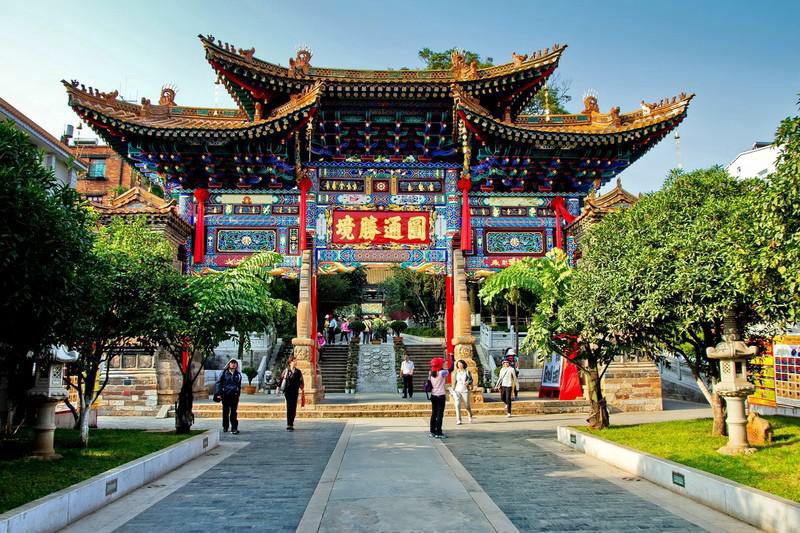
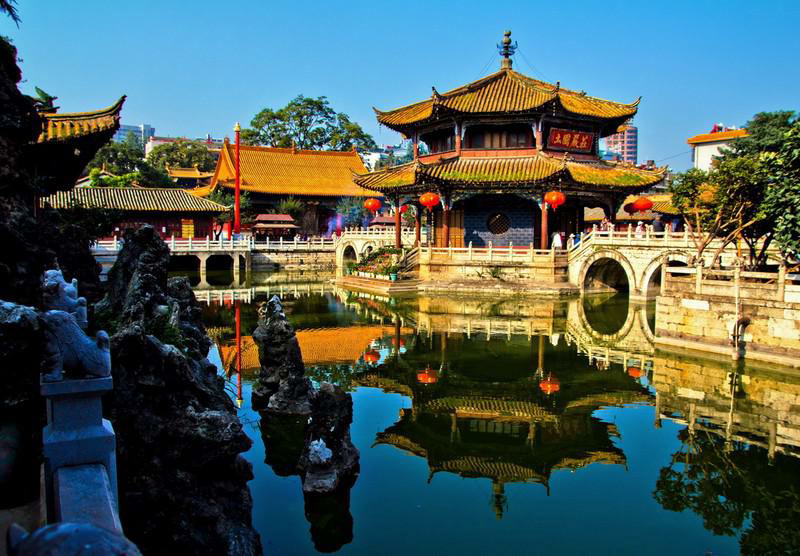
After a 1.5-hour drive, visit a fantastic natural phenomenon located 90 kilometers southeast of Kunming — the Stone Forest. The various shapes of limestone were formed due to millions of years' movement of the Earth. The Stone Forest area is the home of the Naxi people, and their folk customs have become a spectacular scene. The colorful embroidery and minority dances combined with the natural scenery will surely leave you with a lasting impression. Enjoy a local lunch in a quaint courtyard with the Stone Forest Park in the background.In the afternoon, transfer back to Kunming and visit the Yuantong Temple, the largest and most ancient Buddhist temple in Kunming, to learn about the differences between the halls of the three denominations of Buddhism.
After the tour, your guide and driver will escort you back to your hotel for a good rest.
Day 3 Dali
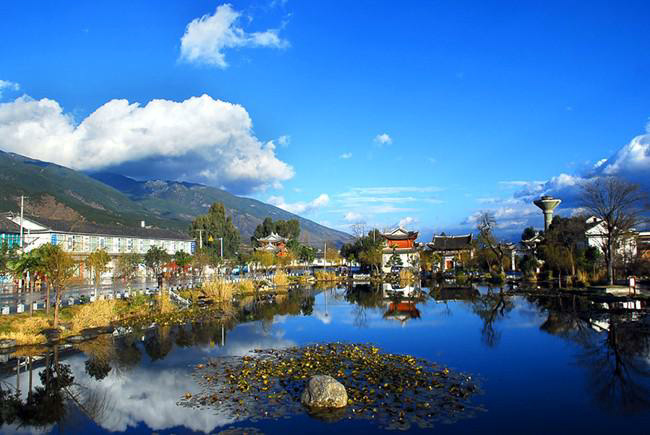
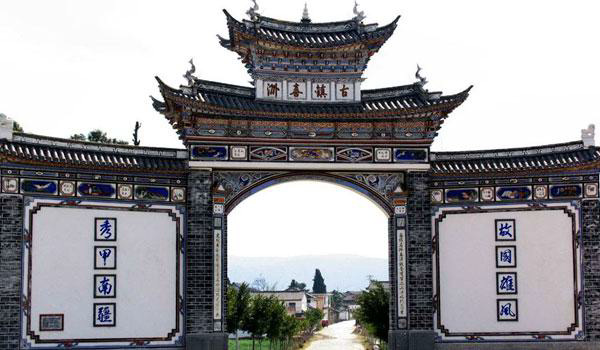
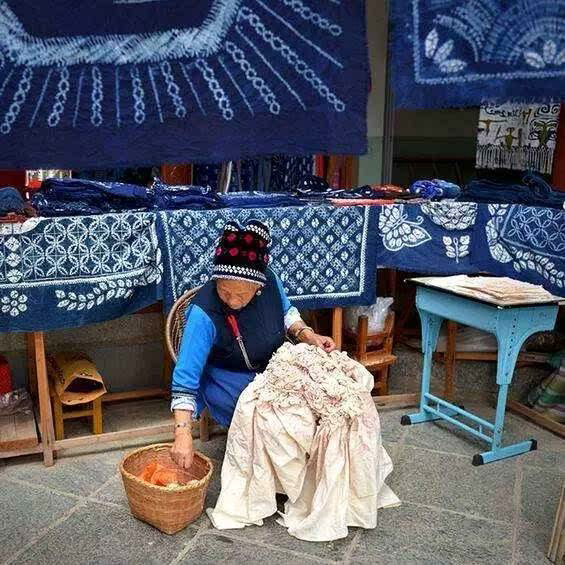
Your guide and driver will pick you up from your hotel around 8:00 and bring you to Kunming Railway Station to catch the train to Dali (about 2 hours). We recommend to take train D8672, 09:24 – 11:32, but earlier or later is possible on request, there are many trains throughout the day. Once you arrived in Dali, your Dali tour guide will be waiting and take you to have a filling local lunch. This is the heartland of the prosperous Bai people, with their colourful costumes and traditional lifestyle. The restored battlements that surround the city date from the Ming Dynasty, and provide a wonderful view of the amazing architecture. When we picture ancient China, Dali is the image that appears in our imagination, wooden houses with ornate eaves and stone streets, well-worn over centuries of use. Dali has long been a melting pot for different cultures, and you will see the Bai people as well as the Yi and the Hui going about their daily business in their traditional garb. you will head for Xizhou Town to fully appreciate Bai-style traditional architectural courtyards, taste their fragrant Three-Course Tea and explore their distinctive culture. Visit Zhoucheng Village and the Bai people's Tie-dying cloth workshop where you can take some special souvenir with the Bai ethnic style.
Then send you to the hotel.
Day 4 Dali
Today you`ll visit the Three Pagodas in Chongshen Monastery which has a history of over 1,800 years located at the foot of Cangshan Mountain facing to the Erhai Lake. Three Pagodas are made of three ancient independent pagodas forming a symmetrical triangle.
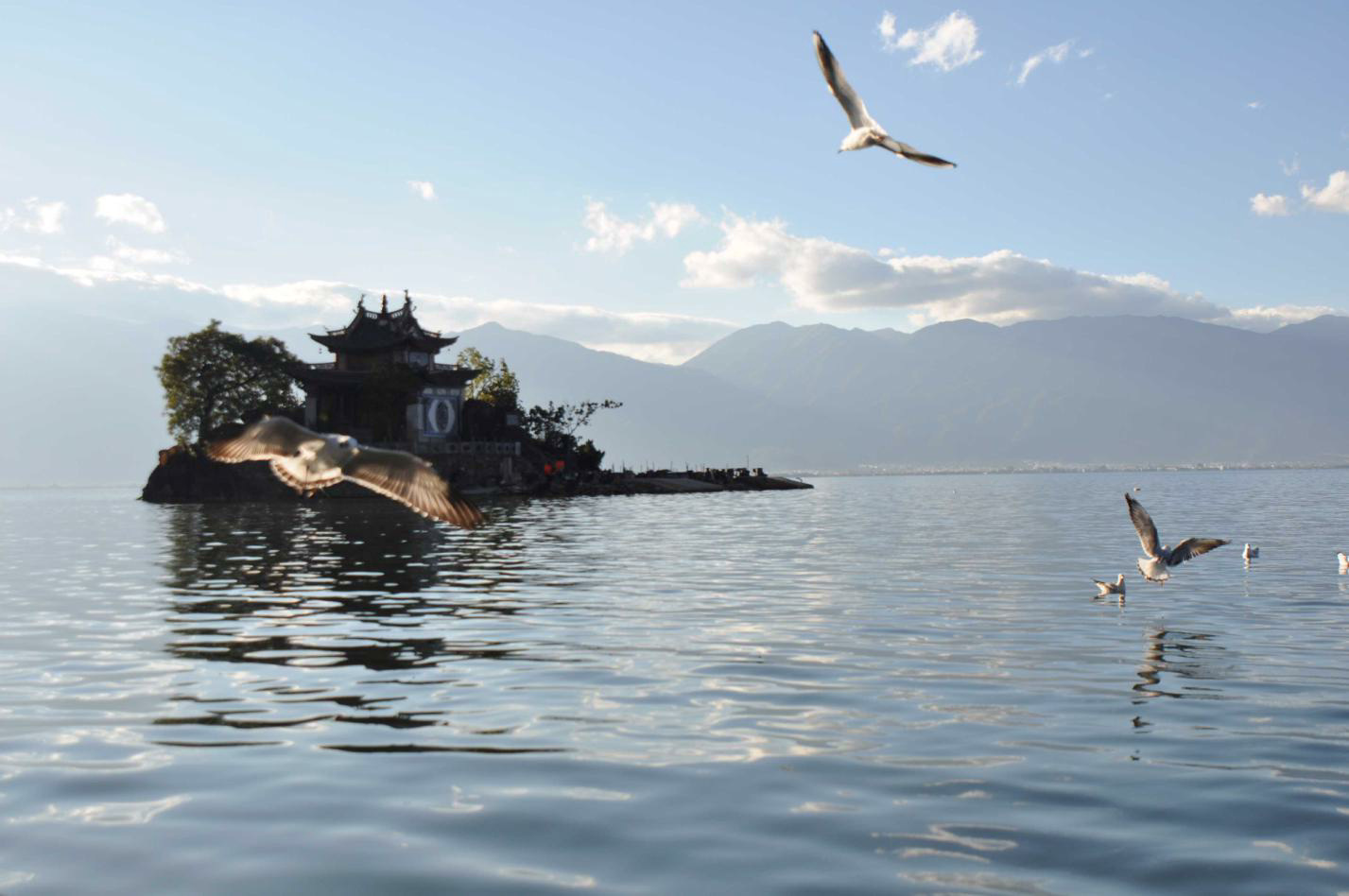
After lunch, you’ll cruise in Erhai Lake by the small boat to the Jinsuo Islet in the east Erhai Lake. There are 200 Bai ethnic families around 1000 people in Jinsuo Island.In Erhai Lake cruise, you will enjoy the green Cangshan Mountain and the Three Pagodas from a far as well as lots of birds and seagulls flying over the lake.
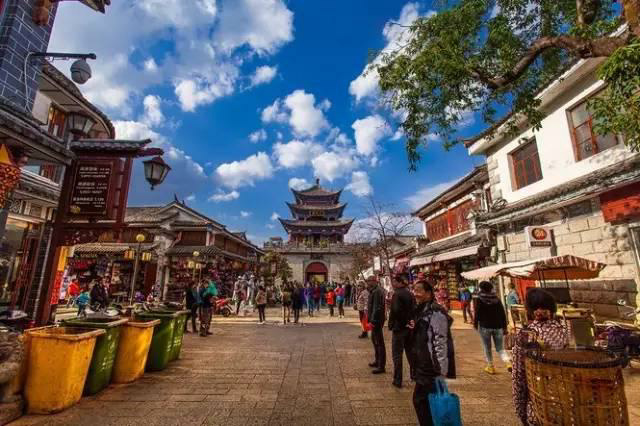
In the late afternoon, you will visit the Ancient Dali Town, walk around the Foreigner Street and enjoy the relax time with local people.

Day 5 Dali- Shibanshan Mountain- Shaxi Old Town -LIjiang
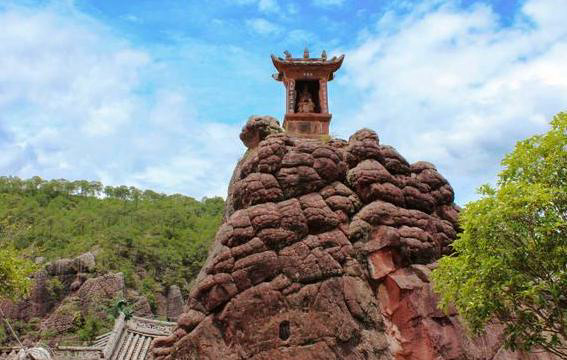
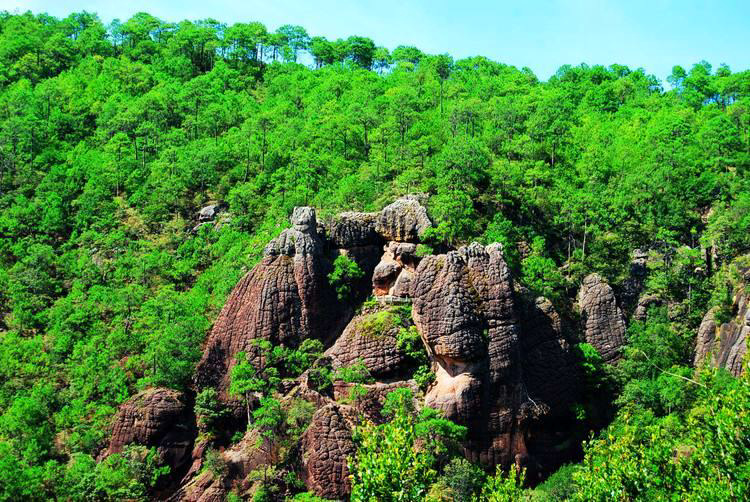
In the morning ,drive from Dali to Shibaoshan mountain .The most prominent sight at ShibaoShan is the Stone Bell Temple with its 139, well preserved stone carvings. These magnificent stone carvings date as far back as 1300 years to the once powerful Nanzhao Kingdom during the Tang Dynasty (618-907).Explore the ancient temple complex including Baoxiang Temple, Haiyun Temple, Shizhong Temple and the Ancient Grottoes. If you are lucky enough, you also can see a lot of wild monkey group around Baoxiang Temple.
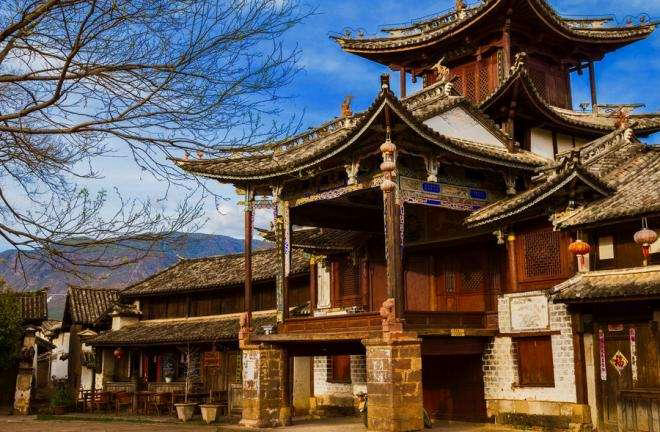
After lunch walk around Shaxi Old Town.Shaxi is the last remaining ancient market town of its kind on the Tea & Horse Caravan Trail. This trail is a trading route that connected Tibet, Sichuan, and Yunnan to countries in southeast Asia, also called the Southern Silk Road.The World Monuments Fund (WMF) has listed Shaxi as one of the 100 most endangered sites in the world in 2001.Stay overnight in Shaxi Old Town.
Day 6 LIjiang
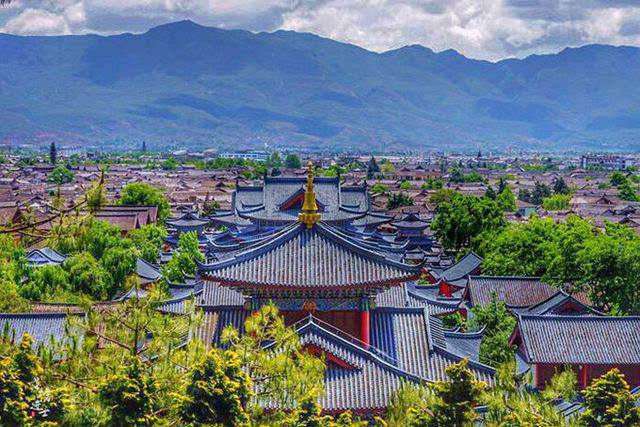
Transfer to Lijiang in the morning. You will be relaxed around Lijiang Old Town, a well-preserved old city of ethnic minorities with brilliant culture, is a central town of the Lijiang Autonomous County of the Naxi Ethnic Minority in Yunnan Province. Located on the plateau which is 2,400 meters above the sea level and embraced by the tree-covered Lion Mountain in the west, Elephant and Golden Row Mountains in the north, vast fertile fields in the southeast and crystal clear water running through, the old town looks like a big jade ink slab, therefore got the alias the Town of Big Ink Slab (Dayanzhen).
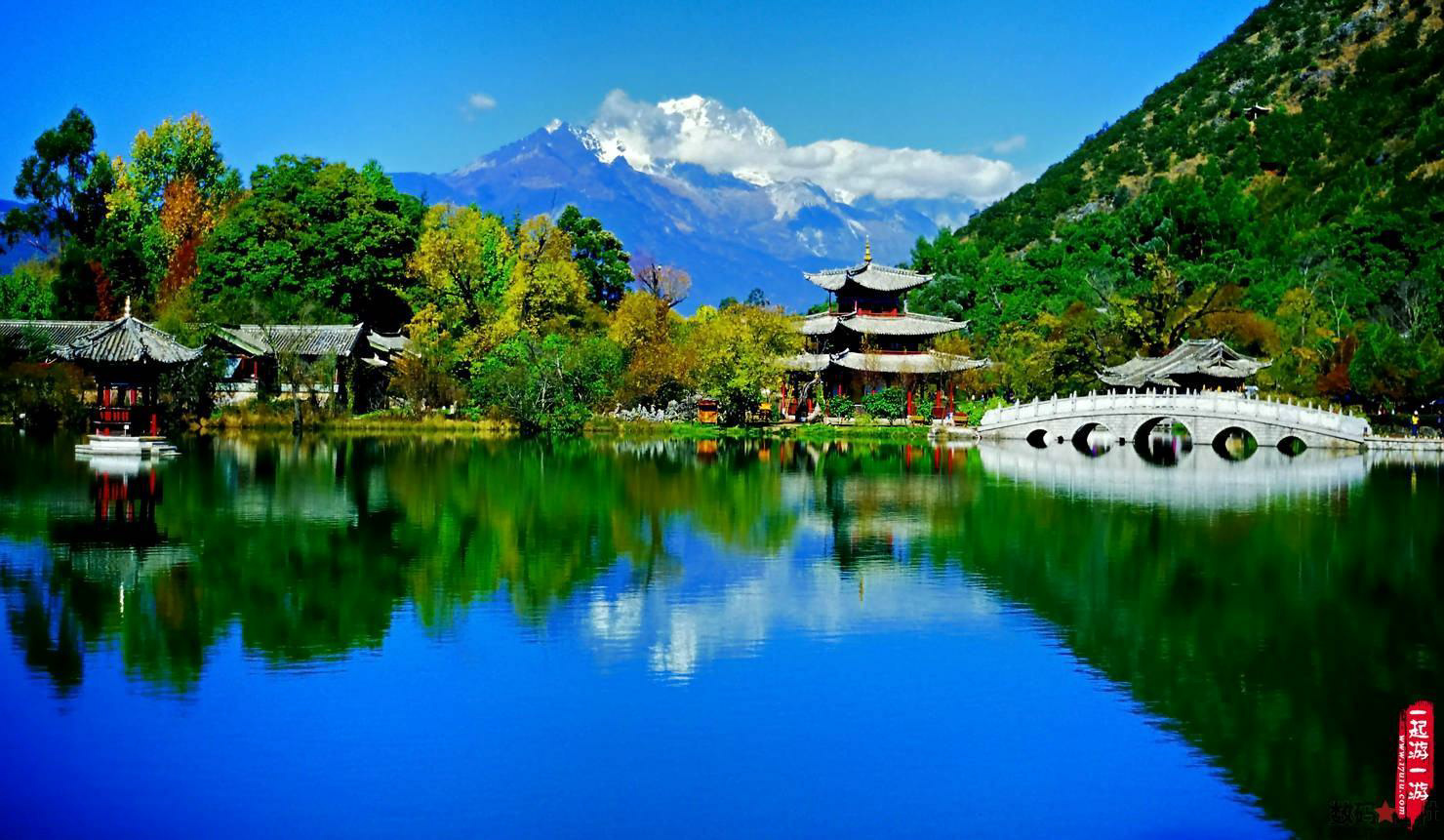
Visit the iconic Black Dragon Pool, one of the most iconic views in China of the impressive Jade Dragon Snow Mountain in the background of a beautiful traditional Chinese garden. Then head to the Dongba Museum right next door, a little gem where you can learn about the unique matriarch Naxi minority culture during a guided tour.
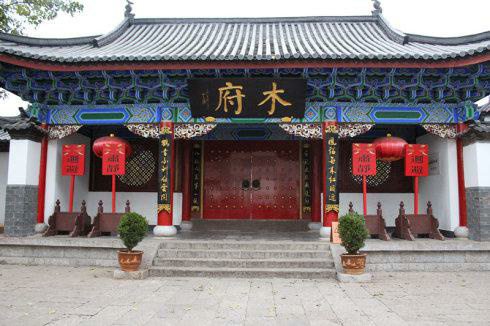
Continue to visit the Mu`s residence.It is the Tusi Mu's Yamen of the Naxi Ethnic Group in Yunnan. Tusi Mu was the ruler of Naxi during the Yuan (1271-1368), Ming (1368-1644), and Qing (1644-1911). During their reigning, this residence was the center of politics, power and wealth in ancient Naxi. Although it is simply a residence, it holds the majestic essence of a palace. In the heyday of the Tusi Mu, it covered an area of over 100 mu (about 16 acres) and consisted of almost one hundred buildings. It could be said that Mu's Residence was a miniature Forbidden City. Unfortunately during warfare in the Qing Dynasty most of the residence was destroyed. The present day Mu's Residence was rebuilt from 1996-1999. The reconstruction is based on the original site and captures the magnificent image of what life was like at this great palace.
Day 7 LIjiang- Jade Dragon Snow Mountain- Lijiang
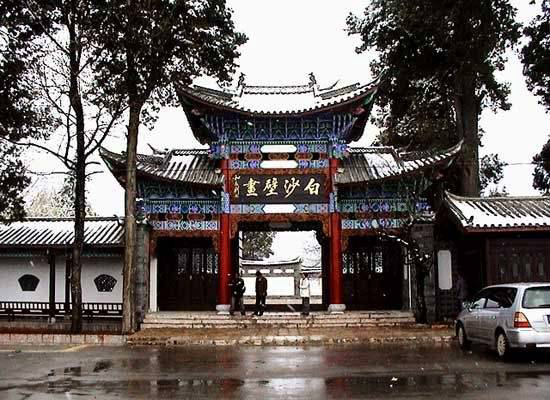
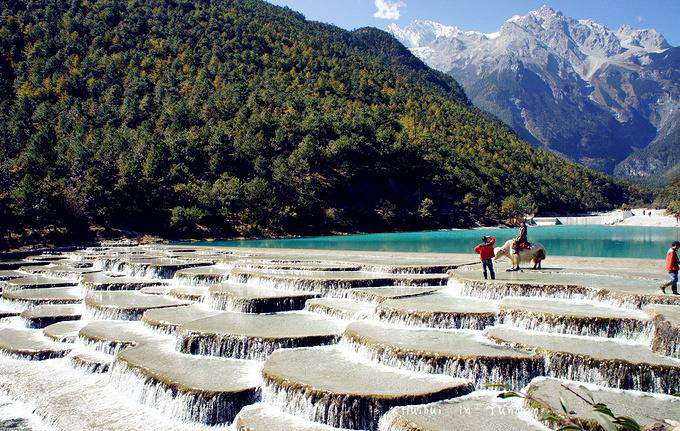
Welcome to the Jade Dragon Snow Mountain, the holy mountain of the Naxi people. Use the cable car and find yourself in a real paradise as you overlook stunning and variant natural beauty, including spruces, meadows, pines, and clouds.On your way back to Lijiang, enjoy lunch and see the mysterious Baisha Murals at Baisha Village.
Painted over 1,000 years ago, the murals display the life stories of China’s main religions, including Confucianism, Taoism, and Tibetan Buddhism. Have a relaxing walking int he Baisha Village and get to know about the local life and culture.
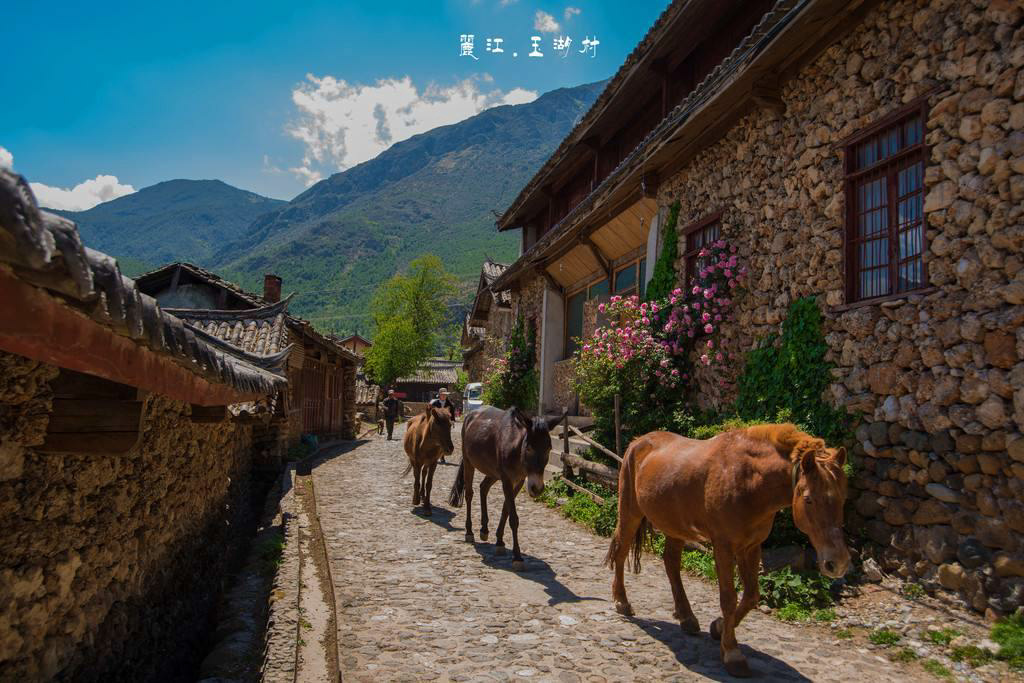
Visit Yuhu village and Joseph Rock`s former residence.Located about 15 kilometers North of Lijiang Old Town, the Yuhu village, belonging to the Naxi minority, is the last village of the valley; and is situated at the foot of the Jade Dragon Mountain in Lijiang. The houses, built with unique rocks called “monkey head”, sort of mix of the rocks and dried earth, makes the village looks the same as it was in the beginning of the 20th century when Joseph Rock chose this place as his residence place.
Day 8 Tiger Leaping Gorge Tour and Lijiang to Shangri-La
After breakfast, we will drive up to the the First Bend of the Yangtze River at Stone Drum Town (1.5 hours) to see the impressive scenery, where the third longest river in the world make a sudden V-turn. In the past this was an important military strategical point in many different era’s, which of course make for good stories that has been passed on. You can find a monument for the Red Army's River Crossing during the Great March in 1936.
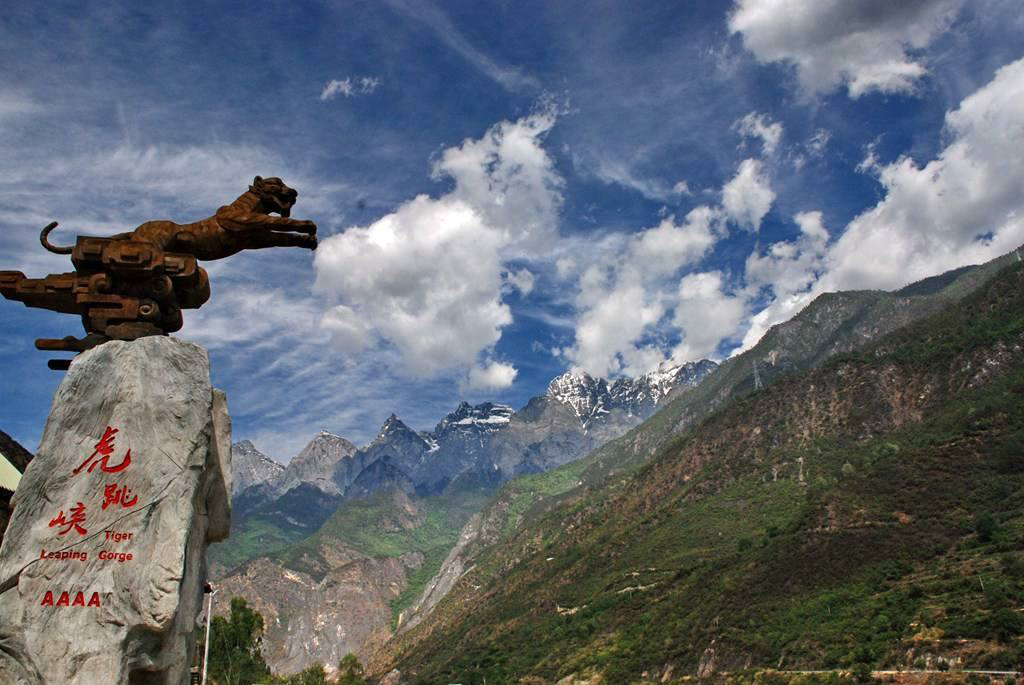
Then you will continue further north to the Tiger Leaping Gorge, the dashing water from the magnificent Jinsha River flows into the narrow valley with a stone in the center. There is an ancient saying that the gorge is so narrow that a tiger was able to leap over to the other side of the river, hence the name.
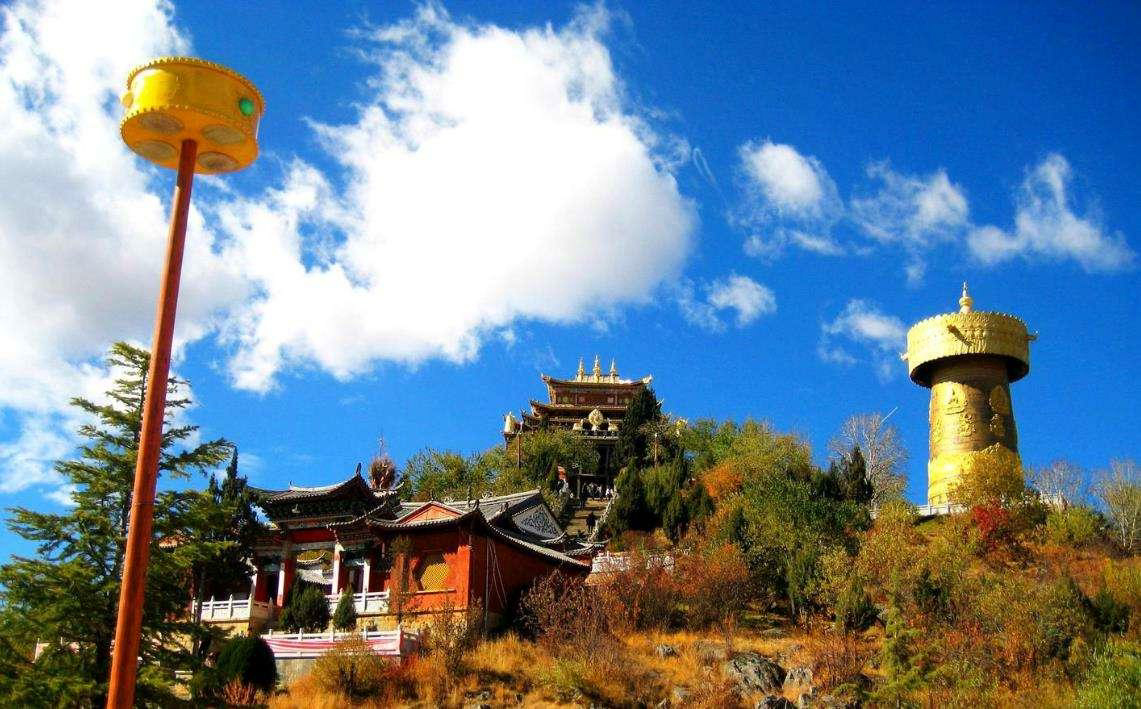
Visit Dukezong Tibetan Ancient Town in the late afternoon, climb up to the top of Guishan Hill or tortoise Hill, you will see the largest Prayer Wheel of the world and have a panoramic view of shangrila county and Dukezong Ancient Town.

Day 9 Shangrila
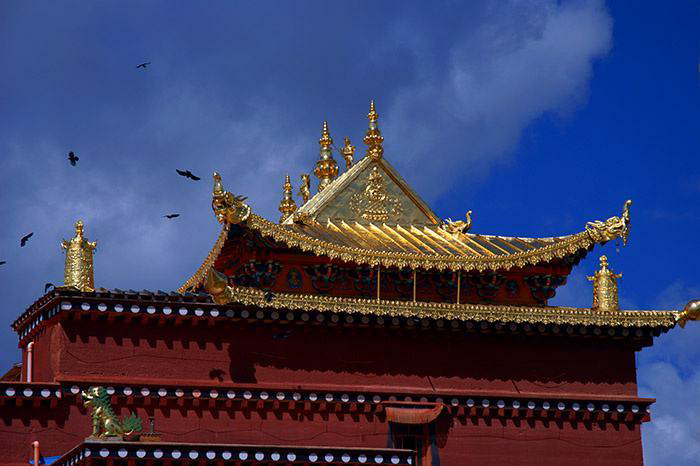
In the morning, visit the Ganden Sumtseling Monastery, the largest Tibetan monastery in Yunnan.
Songzanlin Monastery has another alias - 'the little Potala Palace ', so named because the whole monastery is in the traditional style with mysterious atmosphere. There will also be a chance to visit a local family and experience the real life of a herdsman in the high steppe.
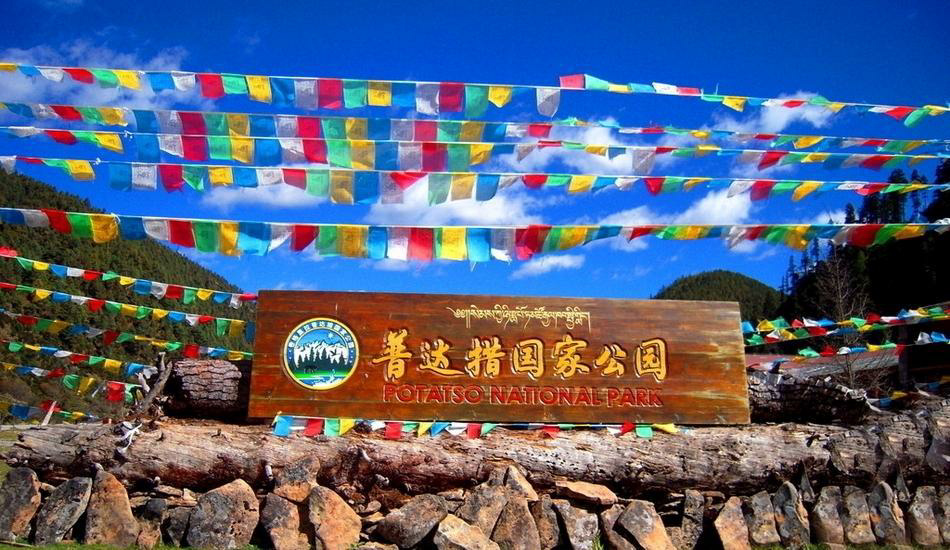
Then you'll visit Pudacuo National Park which is located in one of the most biologically-diverse regions of the world. While the region comprises only 0.7 percent of China's land area, it contains more than 20 percent of the country's plant species, about one-third of its mammal and bird species and almost 100 endangered species.
Day 10: Shangri-La (Departure)
Take the flight for your next destination.
Service ends.